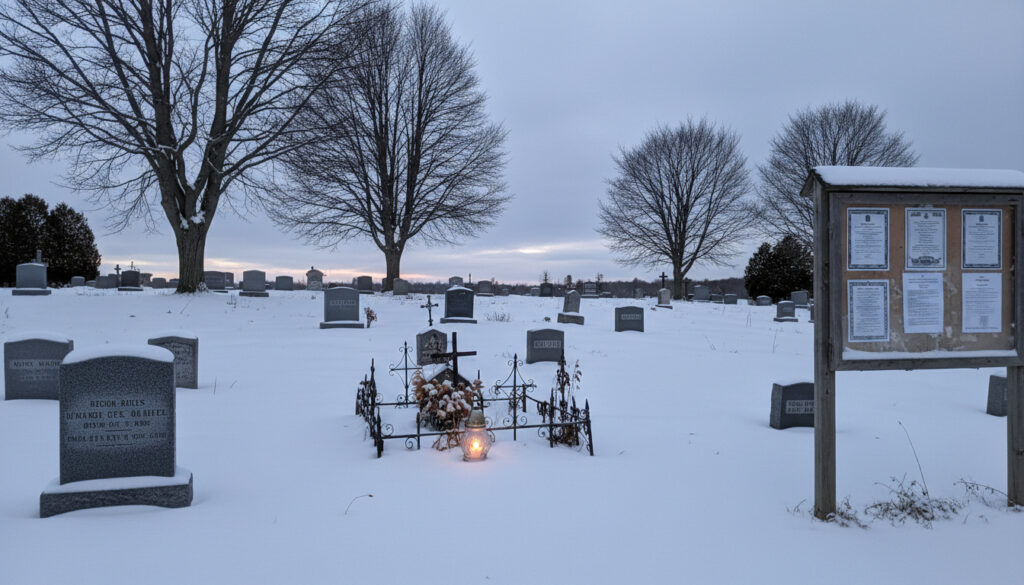
Nécrologie Capitale-Nationale – Recent Death Notices Québec
Families and researchers seeking death notices in the Capitale-Nationale region navigate a fragmented landscape of newspaper archives, funeral home databases, and governmental registries. While Québec City and surrounding municipalities generate an estimated fifteen to twenty death notices daily, no single public source captures every mortality event in real time. Understanding where to search—and how to cross-reference unofficial obituaries against official provincial records—remains essential for accurate genealogical and administrative research.
The region, encompassing approximately 550,000 residents across Québec City, Lévis, and surrounding administrative divisions, relies on a bilingual patchwork of local journalism and private funeral home communications to broadcast mortality information. Unlike centralized national systems, Québec maintains distinct cultural practices around death announcements, combining traditional newspaper placements with digital aggregation platforms.
Where to Find Current Obituaries in Capitale-Nationale
Updated daily via LeNecrologue.com and Emma.ca directories
Québec City metropolitan area, Lévis, and MRCs across the administrative region
Le Soleil, Journal de Québec, and independent funeral home publications
Combine full name with approximate date; verify across multiple databases
Key Characteristics of Regional Obituary Systems
- Obituaries updated daily from local publications
- Focus on Capitale-Nationale: Québec City metro area
- Includes funeral details and family notices
- Not official records; supplement with état civil
- Trends indicate higher volume in winter months
| Fact | Details |
|---|---|
| Region Population | ~550,000 |
| Main Cities | Québec, Lévis |
| Primary Obituary Sources | Le Soleil, Journal de Québec |
| Avg. Daily Deaths | ~15-20 (est.) |
| Official Registry | Directeur de l’état civil du Québec |
| Aggregated Databases | Libra Memoria, LeNecrologue |
How Death Notices Circulate in the Region
Newspaper Publication Protocols
Le Soleil and Journal de Québec maintain dedicated obituary sections, typically publishing family-submitted death notices within 24 to 48 hours of receipt. These notices include service details, survivorship information, and floral donation preferences. Print circulation remains culturally significant in Québec’s administrative capital, particularly among older demographics.
Digital Aggregation Systems
Third-party platforms like Libra Memoria index notices from multiple funeral homes simultaneously, creating searchable repositories that bypass traditional newspaper paywalls. However, aggregation delays vary by provider, with some updates appearing only after print publication.
When searching Capitale-Nationale directories, use French diacritics (é, è) in surnames. Most systems default to exact matching; “Tremblay” and “Tremblé” may return different results.
Official Verification and Civil Registration
Directeur de l’état civil du Québec
The Directeur de l’état civil maintains the sole legally authoritative registry of births and deaths. Unlike newspaper obituaries, registration is mandatory within thirty days of death. Accessing these records requires payment and proof of relationship or legitimate interest, creating a privacy-protected barrier between public notices and official documentation.
Not all deaths appear in public obituaries. Financial constraints, family privacy preferences, or rapid cremation without service may result in gaps between actual mortality events and public listings. Always verify genealogical research through official état civil records.
Demographic Patterns and Mortality Trends
Institut national de santé publique du Québec data and Statistics Canada mortality tables indicate Capitale-Nationale experiences seasonal variation in death rates, with winter months showing increased cardiovascular and respiratory mortality. The region’s aging population—concentrated in established Québec City neighborhoods—contributes to consistent demand for funeral services and notice publication.
Cultural practices distinguish the region from other Canadian jurisdictions. The Québec government’s administrative traditions emphasize familial notification through local press rather than centralized digital memorials, though this pattern shifts gradually with demographic transitions.
Capitale-Nationale obituary coverage extends beyond Québec City proper to include Lévis, Sainte-Foy, and suburban MRCs, each with distinct funeral home networks and publication preferences.
Chronological Availability of Death Records
- Past Week: Daily updates appear in LeNecrologue and Emma.ca aggregators, sourced from overnight newspaper uploads and funeral home submissions.
- Past Month: Archives remain searchable on newspaper websites before moving to paid repositories; Libra Memoria maintains indexed access.
- Past Year: Historical notices transition to permanent genealogical databases, though recent months show incomplete digitization for smaller municipalities.
- Winter Peaks: Historical data from Statistics Canada confirms December through March consistently shows 15-20% higher obituary volume than summer months.
- Registration Lag: Official état civil records typically post four to six weeks after death, creating temporal gaps with newspaper notices.
Confirmed Information Versus Uncertain Data
Established Facts
- Published death notices from Le Soleil and funeral homes
- Mandatory registration with Directeur de l’état civil
- Seasonal mortality increases documented by INSPQ
- Daily update cycles for aggregation websites
Information Requiring Verification
- Social media mentions without funeral home confirmation
- Unverified genealogical forum posts
- Rumors preceding official family announcements
- Automated database entries awaiting manual confirmation
Administrative and Cultural Framework
The Capitale-Nationale region combines governmental centralization with hyperlocal community networks. The Commission Scolaire de la Capitale exemplifies the province’s distinctive administrative structures, which extend to death registration protocols differing from other Canadian provinces. Civil law traditions inherited from French legal systems create privacy protections around vital statistics that common-law provinces handle more publicly.
Unlike the administrative disruptions sometimes seen in federal systems—such as those documented during Paralysie Budgétaire États-Unis events—Québec’s provincial registry maintains consistent operations independent of federal budget cycles. This stability ensures continuous death registration even during broader governmental disruptions.
Local funeral homes operate under L’Association des thanatologues du Québec guidelines, maintaining professional standards for death announcement publication and family privacy protection.
Documentation and Authority
Primary verification relies on three tiers: immediate publication through LeNecrologue.com and Emma.ca directories; delayed but authoritative registration via Directeur de l’état civil; and demographic context from INSPQ and Statistics Canada.
Essential Points for Researchers
Current obituary information for Capitale-Nationale requires checking multiple sources: live directories for recent deaths, newspaper archives for historical notices, and official état civil records for legal verification. The region’s approximately fifteen to twenty daily deaths appear across distributed platforms rather than centralized databases, necessitating systematic cross-referencing for complete genealogical or administrative research.
Frequently Asked Questions
How current are online obituary listings?
Newspaper notices update daily but official records lag 4-6 weeks. Not all deaths generate public notices.
What distinguishes newspaper notices from official death records?
Newspaper notices are family-paid announcements; official records are legal documents from Directeur de l’état civil.
How do I search for a specific name?
Use full names with accents; search LeNecrologue.com and Emma.ca for Capitale-Nationale listings.
Why might a recent death not appear online?
Financial constraints, privacy choices, or missed submissions may exclude deaths from public listings.
Are obituary searches free?
Most aggregation sites offer free searching; detailed archives and official records typically require payment.
How long are notices kept accessible?
Commercial sites archive indefinitely; newspaper paywalls often limit free access to 30-90 days.
Can social media announcements be trusted?
Verify through funeral homes or official registries; social media lacks authentication standards.
More related posts
 Bowen Yang: SNL Exit, Relationship, and What’s Next
 Kelly Hrudey: NHL Goalie Turned Mental Health Advocate
 What is a Reverse Proxy? Explanation, Benefits, and Examples
 Office 365 Sign In Guide: Step-by-Step Login Instructions
 Barcelona vs Real Betis: Live Stream, Lineups & Tickets
 Meliá Caribe Beach Resort: All-Inclusive Luxury in Punta Cana
 Ben Affleck: Divorce, FBI Visit, and Health History
 Melissa Benoist: Supergirl, Marriage, and Abuse Disclosure